
Call Tony on
- 0418 311 833

Emergency 1 Hour Response
 Call Us

Call Tony on
- 0418 311 833
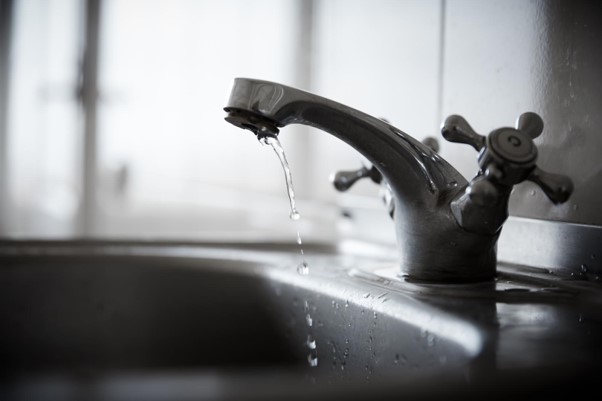
A dripping tap is easy to tune out. After a few days, you stop hearing it. Your water meter doesn’t.
On a slow drip, the damage is small: up to 5 litres a day, or a couple of cents. But let it settle into a steady drip, and you could be paying around 22c a day, close to $80 a year. A fast leaking tap can cost up to $290 a year. And all of it is clean, treated water going straight down the drain.
Here’s what a dripping tap really costs you, why taps start to leak in the first place, and when it’s time to call a plumber.
How much water a dripping tap wastes depends on how fast it drips. A slow drip can waste up to 5 litres a day, which adds up to about 1,800 litres a year. A steady drip can waste around 55 litres a day, or up to 20,000 litres a year. A fast drip or constant trickle can waste more than 200 litres a day, which is over 70,000 litres a year.
The obvious answer is that a dripping tap is going to make your water bill larger than it needs to be. There are three water suppliers for Melbourne and its surroundings, who charge slightly different rates per litre.
To visualise the costs of a dripping tap to your water bill, we’ve put it in a table for you:
| Drip type | Water wasted | Cost per day | Cost per year | Source |
| Slow drip | up to 5 L/day | about 2c | about $7 | Yarra Valley Water |
| Steady drip | Up to 12,000 L/year (about 33 L/day) | about 13c | about $48 | Riverina Water County Council |
| Fast drip or trickle | up to 200 L/day | about 80c | about $290 | Riverina Water County Council |
The retailer rates differ by less than 30 cents per kilolitre, so the dollar figures barely move whichever one applies.
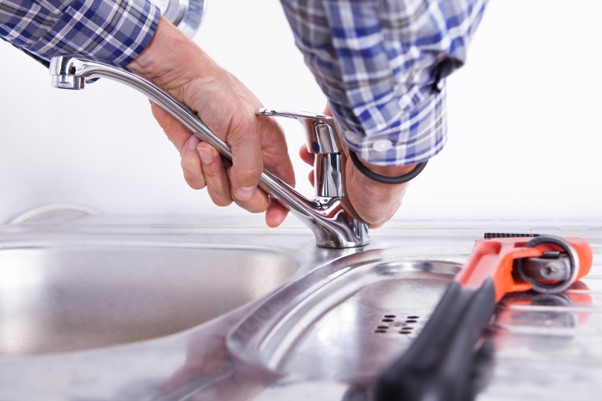
Taps mostly drip because they can’t completely hold back the water pressure when turned off. This can be due to component failure or mineral build-up.
Traditional hot and cold taps use a rubber washer that presses against the metal valve seat to stop water passing when the tap is off. Over time, friction from constant turning, minerals in the water deteriorating the rubber, and the hot water expanding and contracting the rubber seal, can make the washer harden, split or wear down.
Mixer taps, where there is one outlet for both hot and cold water, use a ceramic cartridge with small sliding discs to regulate the flow of water. Cracks in the cartridge, or wear and tear similar to the rubber washers, or even debris inside the cartridge, can prevent a clean seal upon shut-off.
A corroded valve seat can also cause dripping and leaking. The valve seat is the metal surface inside the tap body that the washer presses against to seal off the water. Mineral and limescale deposits can create a rough surface and an uneven seal, so the washer cannot completely stop water from leaking out.
O-rings can also cause leaks. They sit around the stem of the tap where it meets the benchtop. They, too, can dry out and break, and you’ll notice water pooling at the base.
Finally, one of the common reasons for leaks is abnormally high water pressure coming into the tap. This is common with outdoor taps as sometimes the pressure from the mains is too much. Water applies too much force to the seals, which causes a persistent drip.
A leaking tap can cause structural, health and financial damage far beyond the annoying sound of dripping.
Moisture can be very damaging to many fixtures in and around your home. Cabinets and joinery in your kitchen or bathroom, when exposed to constant moisture, can rot and warp.
Water leaking behind walls can also cause damage, weakening plasterboard, softening plaster and compromising the integrity of framing and joists.
The biggest structural problem with a constant leaking tap is the potential to cause major damage to the foundations of your home. Waterlogged soil becomes soft, and your foundations can sink and settle into the ground. This can cause cracks in the walls, plus windows and doors to jam shut due to warped framing. It can all end in an expensive restumping of your home.
Long exposure to water and moisture can cause mould and mildew to grow inside your home, especially in enclosed spaces like beneath your sink or in wall cavities. Airborne spores from these can cause respiratory issues such as asthma attacks or sinus issues, or even worse.
Standing water and damp conditions can also attract pests such as cockroaches or rodents, all looking for a regular water source. These animals bring bacteria such as E. coli with them.
The final type of damage a dripping tap can cause is to your home budget. Unnoticed, a dripping tap can add dollars to your bill every quarter. You may not notice it at first, but over time, this dollar figure will add up.
If you have a sneaking suspicion there is a leaking tap, you can find out by turning everything off inside your house that is connected to a tap. Make sure nothing is visibly running. Then check your water meter every ten minutes for an hour. If it is going up while you believe everything is off, that is the first sign you have a water leak, and the first clue that you’re paying for water you’re not using.
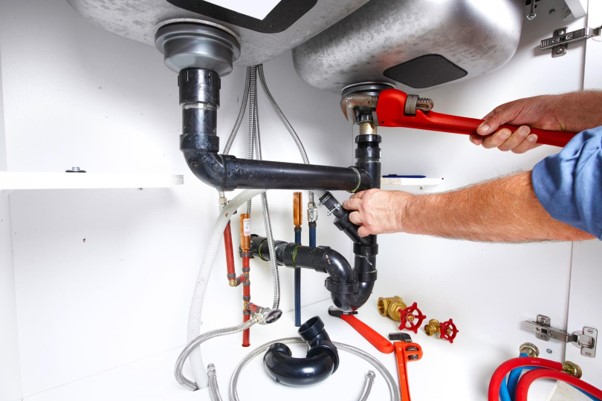
With many dripping taps, it can be quite easy to fix the problem yourself. All you’ll need is an adjustable spanner, a screwdriver and the replacement washer or cartridge.
Step 1: Turn off the water. Shut-off the main water supply at your water meter. Open the leaking tap in question to let drain any leftover water in the pipe and release the pressure.
Step 2: Assess the damage. Remove the tap cap and use a screwdriver to take off the tap handle. See what is damaged. If it is just the washer, excellent.
Step 3: Replace the part. For traditional washers, use an adjustable spanner to loosen the headgear nut. Then you can replace the worn-out washer, jumper valve or O-ring, whichever caused the leak.
With the modern mixer-style taps, you unscrew the cartridge housing and replace the old ceramic disc with the exact matching replacement.
Step 4: Reassemble and test. Put the tap back together without over-tightening anything. Have the tap in the off position, turn the mains back on and see if you’ve fixed the leak.
Sometimes the problem is more than just a washer or a cracked cartridge. Situations where you’ll need to call a plumber include:
A dripping tap rarely stays small. A few cents a day can climb to $80 a year or more, before you count rotting cabinetry, mould or damp foundations. A worn washer or cartridge is often a quick DIY fix. But if the drip carries on after you’ve replaced it, the tap body is cracked or corroded, or your meter keeps ticking with everything off, it’s time to call a professional.
If you’re in Nunawading, Dromana or Hastings, Asquith Plumbing Group can track down the cause and fix your dripping or leaking tap before it costs you any more. Call the team today.
© 2026 Copyright Asquith Plumbing Group. All Rights Reserved. | 
Licensed Plumber And Gasfitter License No. 19850

Highly competitive
rates

100% customer
satisfaction

Same Day
Service

50+ yrs
experience

Exceptional
workmanship
Use the form below to drop us an email if you have any question or comments.


