
Call Tony on
- 0418 311 833

Emergency 1 Hour Response
 Call Us

Call Tony on
- 0418 311 833
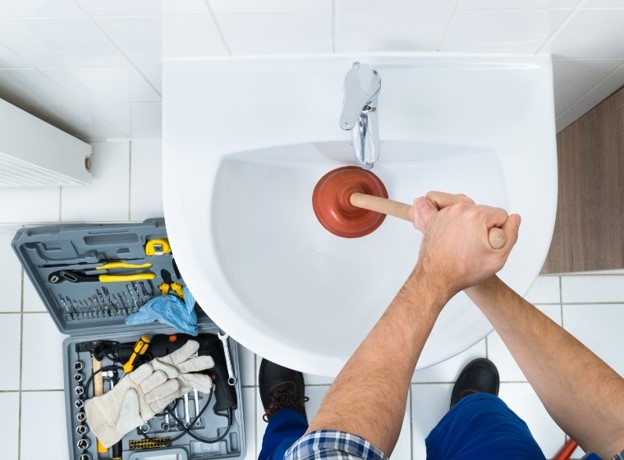
You clear the drain, it runs fine for a few weeks, and then the water starts pooling again. If the same drain keeps blocking, it’s rarely bad luck. Something is causing it, and once you know what, you can stop it coming back.
In this article, we’ll share some advice to answer this age-old question. Read on to learn more!
South East Water says 1.87 million Melburnians flush or drain 2.4 billion litres of wastewater every day. With that much going through the system, blockages are bound to happen.
If you have a blocked drain, you might find the toilet won’t flush properly or water drains away slowly. Even worse, nasty smelling wastewater can come back up through the toilet or sink and flood your property.
So, what’s causing the most blocked drains in Melbourne?
Drainage pipes from your home are usually only around 10 cm in diameter. That doesn’t leave much room for accumulated waste, which means even a relatively small restriction can have a noticeable effect.
A lot of blockages occur when the wrong items make their way into the drainage system and pipes. This tends to include hair, food scraps, paper towels, and other items that don’t belong in the drain.
Following right on from the previous point, you should always be wary about what goes down the sink. Things like cooking fat, oil or grease might seem harmless at the time, but these substances can lead to a build-up that becomes larger and starts catching other waste.
Tree roots are one of the most common causes of recurring drain blockages. They can find their way into small cracks or joints in underground pipes, where they continue growing and restrict the flow of wastewater.
The sewer system is designed to carry wastewater, human waste and toilet paper. Wet wipes, sanitary products and other unsuitable items don’t break down in the same way and may become caught in the pipe.
Stormwater drains face a different problem. Leaves, dirt and other debris can collect around or inside the drain, restricting the flow and contributing to flooding when there is a large amount of rainwater.
If you’ve already had a drain cleared and the same problem returns shortly afterwards, simply removing the blockage may not have dealt with the underlying cause.
Blocked drains don’t always occur in the same part of a plumbing system. Different drains face different types of waste and environmental conditions, which means the cause often depends on where the blockage is located.
Kitchen sinks regularly deal with food scraps, cooking oils and grease. Even when these materials are washed away with plenty of water, grease can stick to the inside of the pipe and gradually build up.
A kitchen sink that repeatedly drains slowly could therefore have a build-up further along the pipe rather than something immediately visible around the plughole.
Hair, soap residue and other bathroom waste often find their way into shower and bathroom drains. Over time, this material can collect together and restrict the flow.
If you’ve cleaned the grate and removed everything you can see but the drain continues blocking, there may be a deeper obstruction inside the pipe.
Toilets are designed for human waste and toilet paper. Flushing wet wipes, sanitary products, paper towels or other unsuitable items increases the risk of a blockage.
A toilet that repeatedly blocks also deserves attention beyond simply plunging it. There could be an obstruction further along the drainage system.
Outdoor drains have to deal with leaves, dirt and other debris, particularly during periods of heavy rain. A build-up around the drain may prevent water from flowing away quickly enough.
If water regularly pools around an outdoor drain or overflows during heavy rainfall, there may be a restriction somewhere in the stormwater system.
Clearing a run-of-the-mill blockage is one job. Working out why it keeps returning is a completely different job.
A recurring blockage usually suggests that something is either obstructing or restricting the pipe. Removing the immediate obstruction restores the flow, but the same problem may return if the underlying issue remains.
Some common reasons include:
This is why repeatedly treating the symptoms isn’t always enough. If the same drain blocks every few weeks or months, finding out what’s actually happening inside the pipe is a much better starting point.
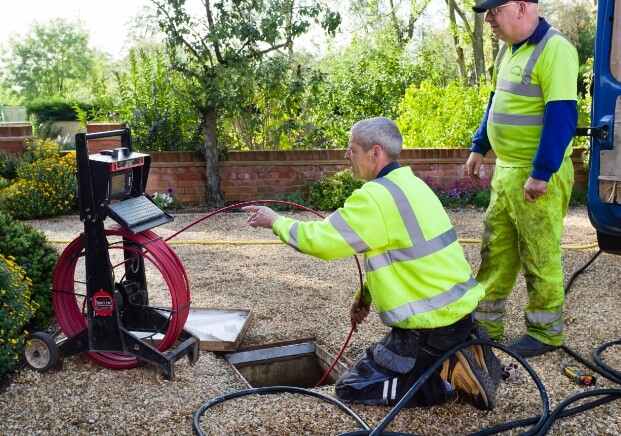
At Asquith Plumbing, we don’t just clear the blockage. We find out what’s causing it, so you know what needs fixing.
Our plumbers use diagnostic drain cameras and an electronic drain and pipe locator to see what’s happening inside the pipe. From there, we clear it with the right equipment for the job, including sewer machines (with smaller cable machines for narrow drains), high-pressure hydro jet cleaning equipment, high-pressure air guns and, for simple blockages, a plunger.
We can also give you video footage from inside the drain as a report, so you can see exactly what we found.
We accept cash, cheques, EFT payments, Visa or Mastercard payments for your convenience.
A recurring blocked drain is frustrating enough without having to deal with the same problem again a few weeks later. At Asquith Plumbing, our focus is on identifying drainage problems and providing practical solutions based on what we find.
What you can expect from us:
We clear blocked drains from Box Hill to Frankston, Glen Waverley, the Mornington Peninsula, and everywhere in between. If it’s an emergency, call Tony on 0418 311 833 and we’ll provide a rapid response.
The original blockage may not have been completely removed, or there could be an underlying issue such as tree root intrusion, damaged pipes or ongoing waste build-up. Identifying what’s happening inside the pipe helps address the cause rather than repeatedly clearing the same obstruction.
Yes, tree roots can enter small cracks or joints in underground pipes and continue growing, restricting wastewater flow. Unless the underlying problem is addressed, the drain may keep blocking even after the immediate obstruction has been cleared.
Cooking fat, oil and grease can stick to the inside of drainage pipes and gradually accumulate, catching food scraps and other waste along the way. If cleaning the plughole doesn’t resolve the problem, there may be a build-up further along the pipe.
At Asquith Plumbing, we use diagnostic drain cameras, electronic drain and pipe locators, high-pressure hydro jet cleaning equipment, sewer machines and other tools to investigate and clear blockages. We can also provide video footage from inside the drain as a report.
If the same drain keeps blocking every few weeks or months, it’s worth having a plumber investigate the underlying cause. Repeated blockages may point to a partial obstruction, tree roots, damaged pipes or ongoing build-up that needs more than a basic clearing.
© 2026 Copyright Asquith Plumbing Group. All Rights Reserved. | 
Licensed Plumber And Gasfitter License No. 19850

Highly competitive
rates

100% customer
satisfaction

Same Day
Service

50+ yrs
experience

Exceptional
workmanship
Use the form below to drop us an email if you have any question or comments.


